Audiobook list · November 2026
Best Psychology Audiobooks: How We Think, Feel and Behave
Popular psychology makes great listening. These books explain why we make bad decisions, what motivates us, how we persuade each other and what goes on inside the brain, usually through stories rather than statistics.
These picks are about understanding people. If you are looking for practical help with anxiety, depression or relationships, see my list of the best mental health audiobooks instead.
By Peter Clemens · November 2026
Some links are affiliate links. I may earn a commission at no cost to you. How I make money.
If you only listen to three
Decisions, personality and success.
How We Think and Decide
Biases, snap judgments and the surprising science of happiness.

Thinking, Fast and Slow
Nobel Prize winner Daniel Kahneman explains the two systems that drive how we think, one fast and intuitive and one slow and deliberate, and the biases that trip us up. A few studies it cites have since been questioned, but the big ideas hold up.

Thinking in Bets
Former professional poker player Annie Duke shows how to make better decisions when you cannot know how things will turn out. She reads it herself.

Blink
Malcolm Gladwell looks at the decisions we make in the blink of an eye, when first impressions are right and when they lead us badly wrong. He reads it himself.

Stumbling on Happiness
Harvard psychologist Daniel Gilbert explains why we are so bad at predicting what will make us happy. It is funny and surprising, and Gilbert reads it himself.
Personality and Motivation
Introverts, mindsets and what keeps us going.

Quiet
Susan Cain shows how introverts are undervalued in a world that rewards talking, and what they bring to work, school and relationships. Kathe Mazur reads it.

Mindset
Stanford psychologist Carol Dweck explains the difference between a fixed mindset and a growth mindset, and how the way we think about ability shapes what we achieve.
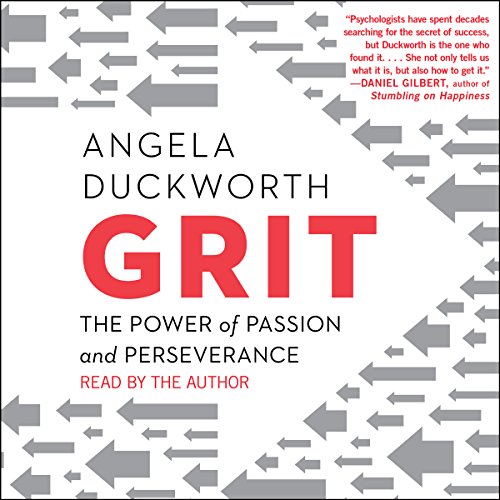
Grit
Psychologist Angela Duckworth argues that passion and perseverance matter more than talent for long-term success. She reads it herself, with plenty of research and stories.

Drive
Daniel Pink argues that we are motivated less by rewards than by autonomy, mastery and purpose. He reads it himself, and at under six hours it is quick.

Influence
Robert Cialdini’s classic explains the principles of persuasion, like reciprocity and social proof, that make us say yes. This expanded edition adds new research, and Cialdini reads it himself.

The Righteous Mind
Jonathan Haidt explains why good people are divided by politics and religion, showing that our moral judgments start with gut feelings. He reads it himself.

Talking to Strangers
Malcolm Gladwell explores why we so often misread people we do not know. The audiobook is produced like a podcast, with interviews and archive recordings, and it has more ratings than any other pick here.
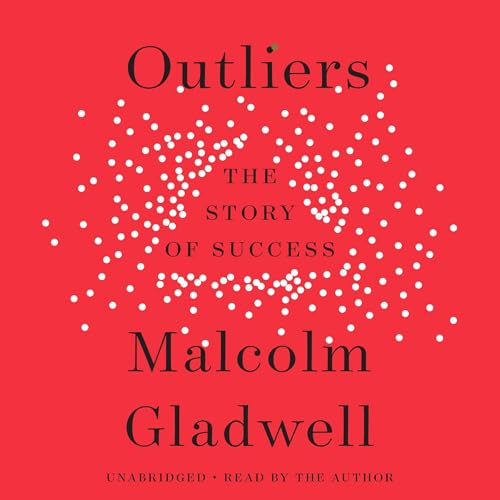
Outliers
Malcolm Gladwell looks at what really makes people successful, from the timing of their birth to the culture they grow up in and the famous 10,000 hours of practice. He reads it himself.
The Brain and the Mind
How the brain works, and what happens when it changes.

The Man Who Mistook His Wife for a Hat
Neurologist Oliver Sacks tells the stories of patients with unusual brain conditions, including the man in the title. Each case is strange, moving and humane.

The Brain That Changes Itself
Psychiatrist Norman Doidge tells the stories of people whose brains rewired themselves after strokes, injuries and other conditions. It is hopeful, and tied for the highest rating here.

The Brain: The Story of You
Neuroscientist David Eagleman, in this companion to his PBS series, explains how your brain builds your sense of reality. He reads it himself, and it is the shortest pick here.
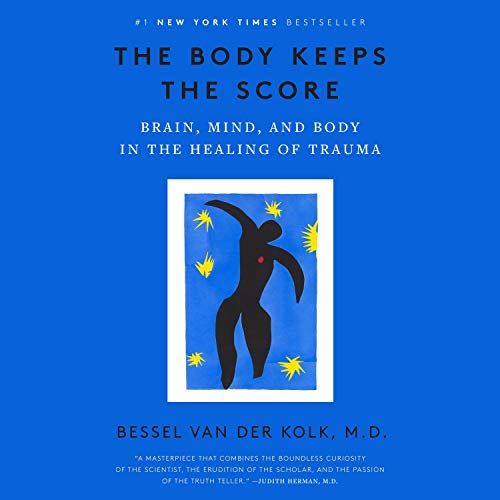
The Body Keeps the Score
Psychiatrist Bessel van der Kolk explains how trauma changes the brain and body, and the treatments that help people recover. It covers hard material, but it has helped many listeners understand themselves.
Psychology audiobooks: common questions
Which psychology audiobook should I start with?
Outliers is an easy first listen at about seven hours. If you want the big classic, Thinking, Fast and Slow is the one, but it is long and dense.
What are the shortest picks here?
The Brain: The Story of You runs 5 hours 36 minutes, Drive 5 hours 53 minutes and Thinking in Bets 6 hours 50 minutes.
Which are the best-rated?
The Brain That Changes Itself and The Body Keeps the Score have 4.8 stars. Grit, Influence and Outliers have 4.7, and Talking to Strangers has the most ratings by far.
Are these self-help books?
Mostly not. They explain how people work rather than telling you what to do, although Mindset, Grit and Thinking in Bets have practical takeaways. For practical guides, see my lists of self-help audiobooks and mental health audiobooks.
Where can I find more audiobooks like these?
Try my lists of the best science audiobooks, business and money audiobooks and personal development audiobooks.
Never run out of audiobooks to listen to
One email a week: the best current audiobook deals and one editor’s pick.

Influence and Social Life
Why we say yes, why we disagree and why we misread each other.